Global law firm Greenberg Traurig is doubling down on Boston—and on the increasingly complex world of employee benefits and executive compensation.
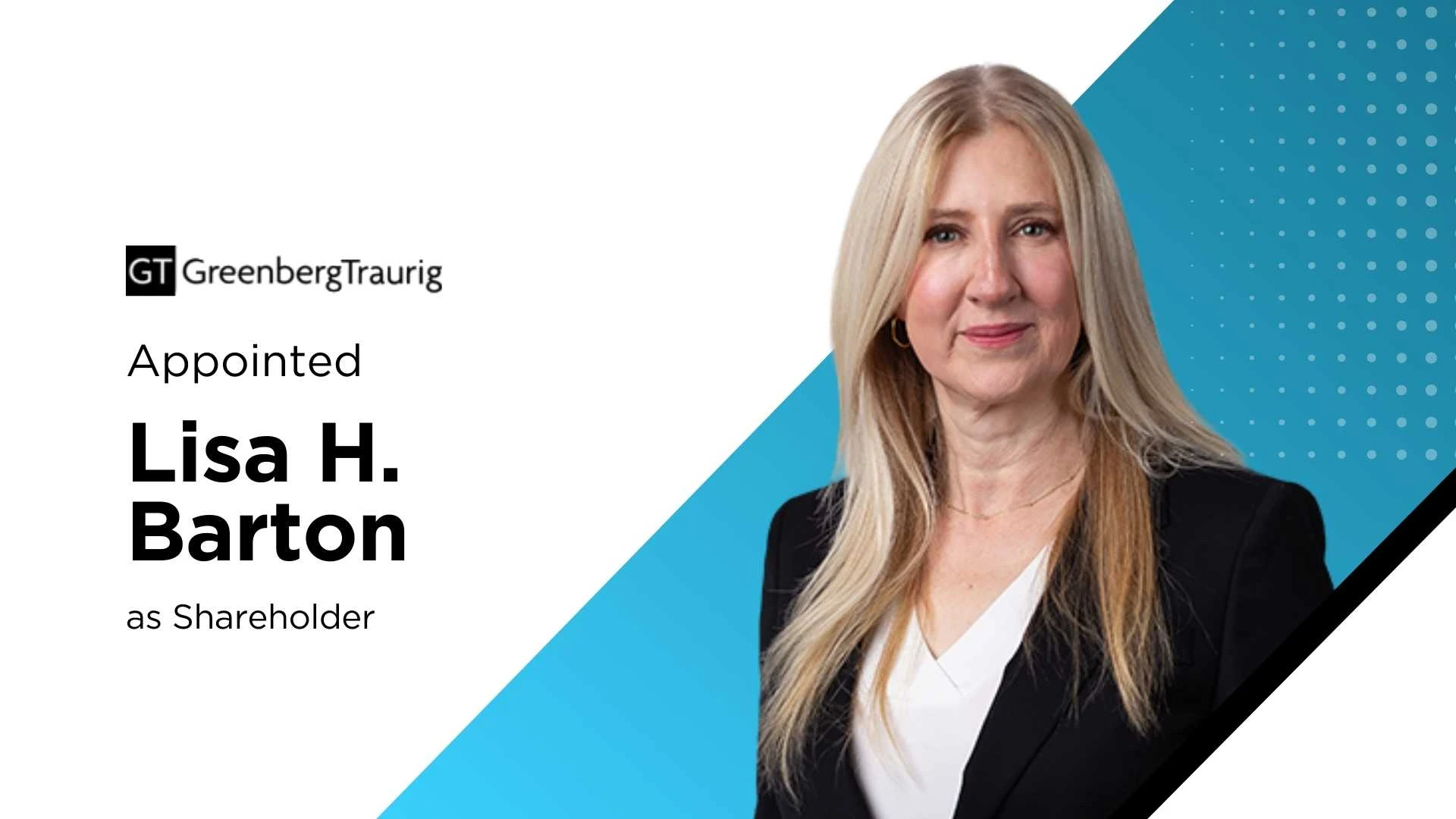
The firm has hired Lisa H. Barton, a veteran ERISA attorney and former managing partner of Morgan, Lewis & Bockius’ Boston office, as a shareholder in its Labor & Employment and Retail Industry practices. For HR leaders and retail employers navigating a maze of compliance mandates, benefits redesigns, and workforce restructuring, the move signals a deeper bench of high-level advisory firepower in one of the country’s most active legal markets.
Why This Hire Matters for HR and Retail Employers
Barton brings more than 25 years of experience advising public and private employers on the design, implementation, and governance of employee benefit and executive compensation programs. Her client base has included major retailers—an industry grappling with high turnover, thin margins, omnichannel transformation, and mounting regulatory scrutiny.
In practical terms, that means expertise across:
-
401(k) and pension plans
-
Health and retiree medical benefits
-
Equity and long-term incentive programs
-
Executive and broad-based severance plans
-
Nonqualified deferred compensation arrangements
Retail employers, in particular, face unique workforce challenges: seasonal hiring spikes, multistate compliance complexity, wage-and-hour risk, and pressure to enhance benefits as a retention strategy. Executive pay structures are also under scrutiny from boards and shareholders alike.
Barton’s arrival suggests Greenberg Traurig is positioning itself to capture more of this advisory and transactional work—especially as retailers modernize benefits to compete for talent in a tight labor market.
ERISA Complexity Isn’t Getting Simpler
At the center of Barton’s practice is ERISA (the Employee Retirement Income Security Act), the regulatory backbone governing most employer-sponsored retirement and welfare benefit plans. Add to that the Internal Revenue Code, COBRA requirements, and the Affordable Care Act, and compliance quickly becomes a high-stakes balancing act.
Barton regularly represents plan sponsors before the IRS, the Pension Benefit Guaranty Corporation (PBGC), and the Department of Labor’s Employee Benefit Security Administration. Her experience spans:
-
Correcting administrative errors in benefits plans
-
Responding to agency audits
-
Advising on plan implications in mergers and acquisitions
-
Overseeing plan terminations and post-transaction corrections
That M&A angle is particularly relevant. As retail and life sciences companies continue to consolidate—or divest non-core assets—benefits diligence and integration can materially affect deal timelines and financial exposure. Executive compensation missteps in a transaction can trigger tax penalties or shareholder disputes. Firms with deep bench strength in this niche are increasingly in demand.
A Strategic Play in a Competitive Boston Market
Greenberg Traurig opened its Boston office in 1999. Today, it houses more than 100 lawyers serving industries ranging from life sciences and biotech to health care and retail. Boston’s status as a global hub for biotech, pharmaceuticals, and innovation makes it fertile ground for sophisticated labor and benefits advisory work.
Bringing in a former office managing partner from a major Am Law firm is more than incremental growth—it’s a competitive signal. Morgan Lewis has long been recognized for its strength in labor, employment, and benefits law. Lateral moves at this level often reflect broader strategic positioning: firms are looking to deepen sector specialization and capture cross-border, multi-jurisdictional mandates.
For Greenberg Traurig, strengthening both its Labor & Employment and Retail Industry practices in one hire is efficient. For clients, it means more integrated advice spanning compliance, compensation design, and workforce strategy.
Retail’s Benefits Arms Race
Retail employers are under pressure from multiple fronts: organized labor activity, rising state-level benefits mandates, ESG scrutiny around pay equity, and competition from logistics and tech companies for frontline talent.
Benefits are no longer a back-office function—they’re a recruiting and retention lever. Flexible health plans, enhanced retirement contributions, equity participation for broader employee populations, and well-structured severance arrangements all play a role in employer brand and workforce stability.
At the same time, regulators are more active. DOL investigations into fiduciary practices and fee disclosures have become more common, and IRS correction programs remain a critical safety valve for plan sponsors who uncover errors.
Advisors who understand both the regulatory framework and the operational realities of large, distributed workforces are increasingly valuable. Barton’s experience counseling retailers through “scale, growth, and change,” as firm leadership described it, fits squarely into that demand curve.
The Bigger Trend: Integrated HR Legal Advisory
The legal market is mirroring a broader HR trend: integration. Employers don’t want siloed advice. They want coordinated guidance that connects compensation strategy, compliance, corporate transactions, and workforce planning.
As companies expand across states—or internationally—the patchwork of benefit mandates grows more complex. Add hybrid work models and evolving pay transparency laws, and the compliance surface area only widens.
Firms that can combine labor law, benefits, executive compensation, and industry-specific insight stand to win. Greenberg Traurig’s latest hire suggests it intends to compete aggressively in that space, especially among retail and other multi-jurisdictional employers.
Credentials and Industry Recognition
Barton is admitted to practice in Massachusetts and Pennsylvania and has been recognized in The Best Lawyers in America for Employee Benefits (ERISA) Law as well as in The Legal 500 United States. Industry recognition in benefits law is often a marker of both technical mastery and sustained client trust—critical in a field where small drafting errors can carry outsized financial consequences.
Her move underscores how top-tier benefits talent remains highly portable—and highly sought after.
Join thousands of HR leaders who rely on HRTechEdge for the latest in workforce technology, AI-driven HR solutions, and strategic insights