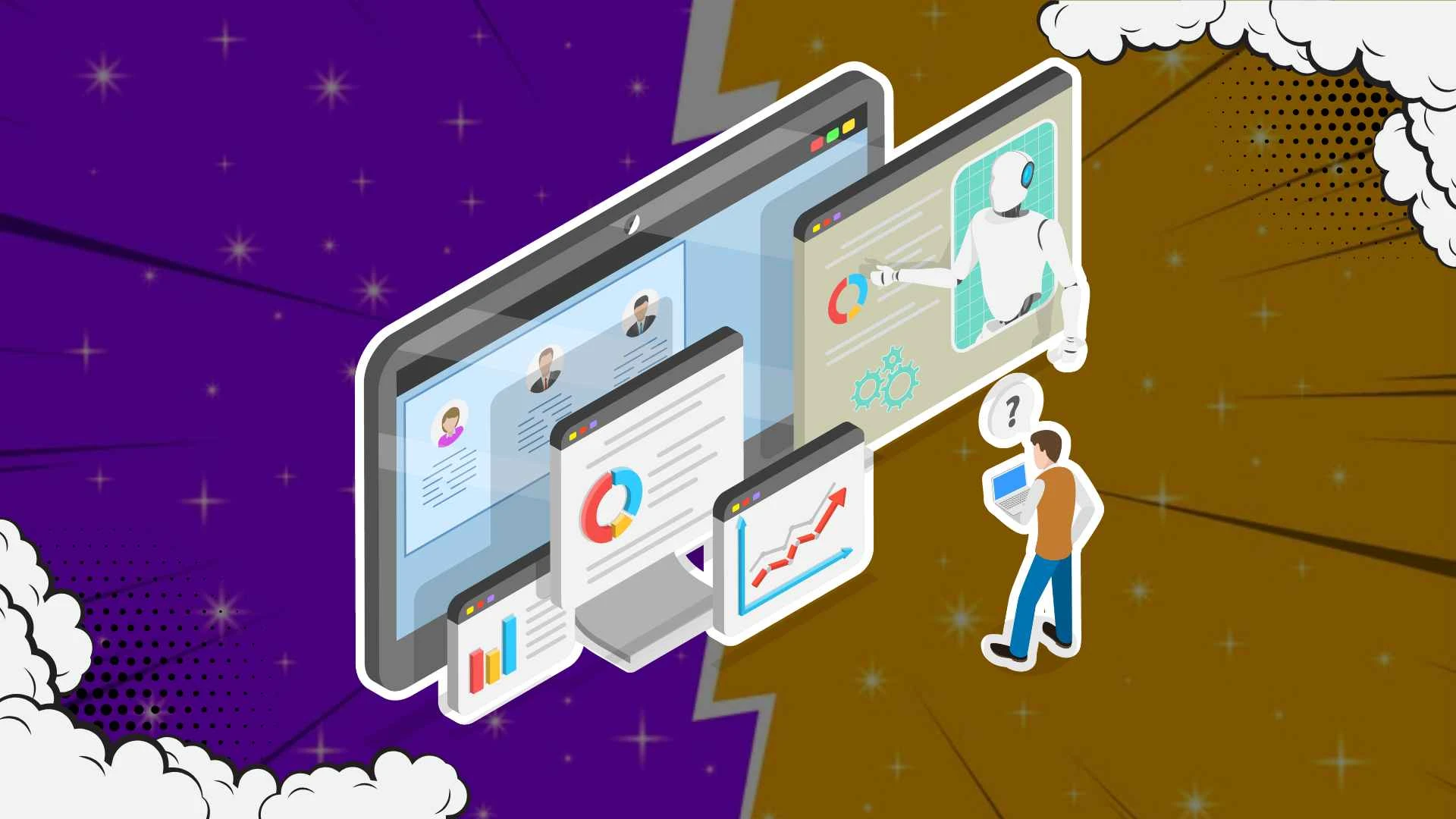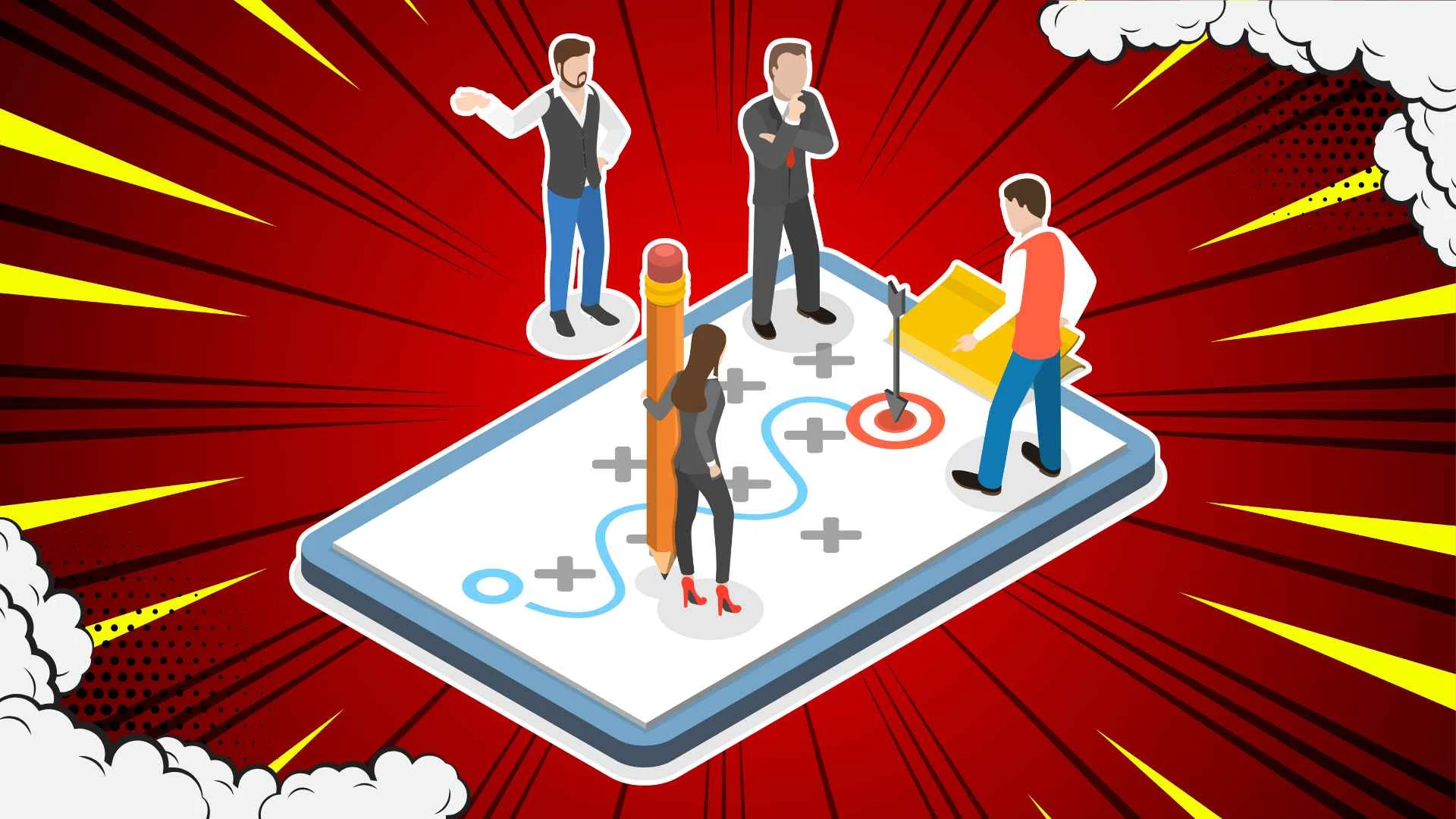
Dayforce has introduced a Strategic Workforce Planning Agent designed to help organizations plan around the work they need to accomplish, rather than relying primarily on traditional headcount forecasts. The conversational AI tool allows leaders to model organizational scenarios, assess skills gaps, evaluate workforce structures and compare the costs of human employees and AI agents. The announcement reflects a shift in enterprise workforce planning as businesses consider how automation will change job roles, required capabilities and labor budgets.
Dayforce Brings AI Agents Into Strategic Workforce Planning
Traditional workforce planning typically starts with questions about headcount, labor budgets and future hiring requirements. Dayforce wants organizations to begin somewhere different: with the work that needs to get done and whether people, AI agents or a combination of both should perform it.
The human capital management provider has announced its Dayforce Strategic Workforce Planning Agent, a conversational tool that helps business leaders model workforce scenarios and assess the potential effects of organizational changes before committing resources. The product was introduced at Dayforce Discover 2026 as part of the company’s broader Agentic HCM Platform strategy.
Using natural-language conversations, leaders can explore different workforce configurations, evaluate options with stakeholders and examine the potential cost and operational impact of decisions. The agent also runs an organizational health diagnostic to identify workforce hotspots and assess the implications of possible changes.
A notable feature is its inclusion of both employee headcount expenses and AI token costs in scenario modeling. As organizations introduce AI agents into business operations, technology expenditure is becoming another factor in workforce planning. Dayforce is attempting to bring those costs into the same decision-making framework as salaries, skills and organizational structure.
Planning Around Work, Skills and Capacity
The Strategic Workforce Planning Agent is built on Dayforce’s single data model, which connects information about employees, skills, positions, organizational structures and costs.
Leaders can examine the skills available within their current workforce, compare them with the capabilities required for specific positions and identify areas where gaps exist. They can then adjust positions, organizational structures and productivity assumptions to see how those changes affect the broader workforce.
This approach moves workforce planning beyond projecting how many employees an organization may need. It asks whether existing employees have the right capabilities, which skills may need to be developed or recruited, and where AI agents could augment or perform parts of the work.
For example, a business considering a new operating model could assess whether to recruit additional employees, retrain existing staff, introduce AI agents into selected workflows or distribute responsibilities between people and automated systems. Scenario modeling can help decision-makers compare the implications before implementing changes.
Dayforce says the agent can also show second- and third-order effects in real time. These may include changes to workforce costs, skills requirements, organizational capacity and structure as assumptions are updated.
Why Human and AI Workforce Planning Are Converging
The growing use of generative AI and autonomous agents is creating a new challenge for HR and finance leaders. Traditional workforce models were built around employees, contractors and other human worker categories. They were not necessarily designed to account for software agents that can take on tasks, operate across workflows and generate usage-based costs.
That creates a planning gap. A company may reduce the need for certain tasks through automation while increasing demand for employees with skills in oversight, data management, AI governance or specialized decision-making. Headcount forecasts alone may not capture those changes.
Dayforce’s product direction reflects a broader movement toward skills-based workforce planning. Rather than treating job titles as the primary measure of organizational capability, employers are increasingly examining the skills required to deliver business outcomes and how those capabilities can be developed, acquired or augmented through technology.
The competitive landscape includes workforce planning and people analytics capabilities from providers such as Workday, SAP and Oracle, alongside specialist planning platforms. Dayforce is differentiating its announcement through the integration of workforce data and AI-agent costs into its HCM environment.
Connecting Workforce Strategy With Execution
One of the platform’s central propositions is that planning and execution take place within the same Dayforce environment. The company argues that this can help organizations move from workforce-planning discussions to operational action without relying entirely on disconnected spreadsheets and systems.
That integration could be relevant to organizations managing restructuring, expansion, skills shortages or changes in how work is distributed between employees and automation. However, the quality of the recommendations will depend on the accuracy of workforce records, skills information, cost assumptions and productivity inputs.
The agent is also not yet generally available. Dayforce says the Strategic Workforce Planning Agent is expected to become available in the first quarter of 2027. Select other Dayforce AI Agent capabilities are available now, while additional agentic experiences are planned for phased introduction.
The announcement does not disclose pricing, customer deployments, model details or independent performance benchmarks. Organizations will also need to understand how the system handles sensitive workforce information and supports human review of consequential planning decisions.
Dayforce’s new agent signals a change in how HCM providers are approaching workforce strategy. As AI becomes part of the operating model, planning will increasingly involve not just how many people an organization employs, but how work is divided, which skills are needed and what it costs to combine human and machine capabilities.
Market Landscape
Strategic workforce planning is evolving as organizations integrate AI into business operations. Traditional headcount forecasting is increasingly being complemented by skills intelligence, capacity modeling and analysis of how automation changes the economics of work.
- Skills-based planning: Employers need visibility into existing employee capabilities and the skills required by future business priorities.
- Human-AI workforce design: Organizations are evaluating which tasks should remain human-led, which can be augmented by AI and which may be automated.
- AI cost management: Token consumption and agent operating costs are emerging alongside compensation and other workforce expenses.
- Scenario modeling: HR, finance and business leaders need tools to compare organizational structures and workforce assumptions before making changes.
- Connected HCM platforms: Integrating workforce planning with employee, skills and cost data can reduce reliance on disconnected spreadsheets and separate systems.
Dayforce’s announcement places agentic workforce planning within its wider HCM platform strategy. Its competitive opportunity will depend on the accuracy of its workforce intelligence, the flexibility of its scenario models and the ability to translate planning decisions into operational changes.
Top Insights
- Dayforce introduced a conversational Strategic Workforce Planning Agent that models how people and AI agents can contribute to organizational work.
- The tool combines employee, skills, organizational structure and cost information through Dayforce’s single data model.
- Scenario modeling includes both employee headcount expenses and AI token costs, bringing automation economics into workforce planning.
- Leaders can adjust positions, structures and productivity assumptions to examine potential downstream workforce and cost implications.
- The agent is expected to become available in Q1 2027; the announcement does not confirm general availability today.
Join thousands of HR leaders who rely on HRTechEdge for the latest in workforce technology, AI-driven HR solutions, and strategic insights