
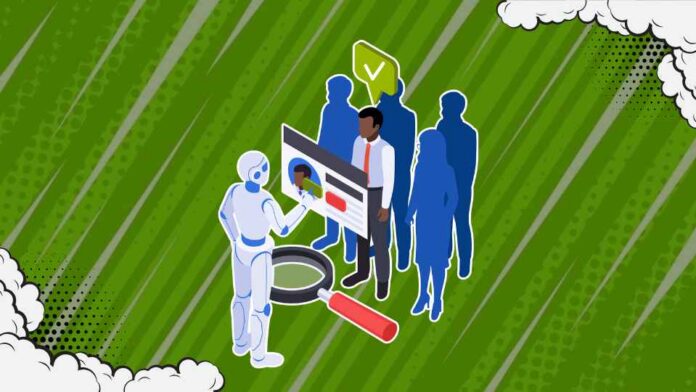

Recruitment teams are increasingly experimenting with artificial intelligence to automate sourcing, screening and candidate communication, but deploying multiple disconnected tools can create new coordination challenges. Eightfold AI is addressing that problem with AI Recruiting Teammate, a goal-driven AI companion designed to coordinate hiring activities across open requisitions, from role intake and candidate sourcing to interviews and onboarding. Built on Eightfold’s Talent Intelligence platform, the product is intended to automate routine recruiting work while keeping recruiters and hiring managers responsible for decisions that require human judgment.
The launch reflects a shift in how talent acquisition software vendors are approaching AI. Earlier recruiting applications often focused on individual activities, such as writing job descriptions, searching resumes, screening applicants or arranging interviews. While these tools can reduce administrative work, recruiters still need to transfer information between systems, coordinate next steps and monitor candidate progress.
Eightfold argues that this fragmented model can create an additional layer of work: recruiters end up managing multiple AI tools instead of concentrating on hiring decisions. AI Recruiting Teammate is designed to address that coordination problem by maintaining context across recruiting stages and working toward an agreed hiring outcome.
Recruiters can establish goals and provide role requirements, hiring priorities and organizational context. The system is then designed to coordinate activities such as role calibration, candidate discovery, outreach, screening interviews, scheduling and onboarding. It can continue following up over time, monitor requisitions and adjust its activities when priorities change.
This goal-oriented approach is different from a conventional chatbot that responds to individual prompts or a point solution that automates only one stage of recruitment. The product is intended to connect multiple activities into a continuing workflow, reducing the need for recruiters to repeatedly brief separate tools.
Eightfold’s product materials describe the initial experience as drawing on the organization’s existing Eightfold Talent Network and recruiting pipeline. The platform is designed to identify previous applicants and people who have already engaged with an employer, including potential candidates who may be overlooked by conventional keyword searches. Its longer-term direction includes broader sourcing capabilities.
Human Oversight Remains Central to Hiring Decisions
A central part of the product’s positioning is the division between automated execution and human accountability.
Recruiters and hiring managers retain control over consequential decisions, including which candidates advance. They can review recommendations and supporting evidence, redirect the agent, pause its activity or take over a workflow. The system is also designed to operate within organizational permissions and approval rules and maintain a record of its actions.
This distinction matters because hiring decisions can affect candidates’ careers and expose employers to legal, reputational and operational risks. Automation can help coordinate routine tasks, but employers still need to understand how candidates are identified, how recommendations are produced and who is accountable for decisions.
Eightfold says its responsible AI approach includes explainability, fairness, transparency and reliability, alongside monitoring and third-party assessments. Those commitments will need to be evaluated in the context of the new product as it moves toward broader availability.
The company’s product blog says AI Recruiting Teammate is currently in product preview, rather than generally available. Eightfold is targeting late November 2026 to begin working with a small group of customer design partners, with general availability planned for the first half of 2027. The initial experience is expected to operate within Eightfold, with integrations such as Slack and Microsoft Teams not included at launch. Product capabilities and timelines remain subject to change.
Recruiting Teams Face Pressure to Do More With Less
The product arrives as talent acquisition teams contend with rising workloads and pressure to improve hiring efficiency.
SHRM’s 2026 recruiting benchmarking data, drawn from more than 4,600 organizations, found that over two-thirds of organizations reported difficulties filling open positions. Extra-large organizations also experienced a 67% increase in median requisitions per recruiter in 2026. The findings point to a capacity challenge for recruiting teams, particularly those managing multiple vacancies across large workforces.
Research commissioned by ManpowerGroup Talent Solutions and developed by Everest Group points to a separate implementation challenge. Its survey of 80 senior talent acquisition and business leaders in the United States and United Kingdom found that more than 90% of organizations had deployed AI in talent acquisition, but fewer than 5% reported transformational outcomes. The research identifies fragmented workflows and governance gaps among the factors limiting impact.
That gap between adoption and measurable transformation is relevant to Eightfold’s strategy. Instead of adding another standalone automation tool, the company is positioning AI Recruiting Teammate as a coordination layer that can connect recruiting activities around shared goals and context.
However, the value of that approach will depend on how well it performs in live hiring environments. Employers will need evidence that it can improve time-to-hire, recruiter capacity, candidate communication and quality of hire without introducing new oversight burdens or compromising candidate experience.
The Competitive Test: Integration, Trust and Measurable Outcomes
Eightfold is entering a market where HR technology providers are expanding AI capabilities across sourcing, screening, interviewing and talent management. The next competitive distinction may not simply be which vendor offers the largest number of AI features, but which can coordinate them reliably across the hiring process.
For enterprise buyers, several questions will shape adoption: how the system handles inaccurate or incomplete candidate data, whether recommendations can be explained, how approval policies are enforced and whether recruiters can intervene when automated workflows produce unexpected results.
Candidate consent and transparency will also matter. Employers need clear policies for communicating AI involvement, handling candidate preferences and ensuring that automated processes do not become a barrier to fair consideration.
Eightfold’s preview-stage product offers a vision of recruiting in which AI manages more of the coordination while people retain decision authority. Its success will depend on whether that model can deliver measurable operational improvements and maintain trust among recruiters, hiring managers and candidates.
For HR technology buyers, the launch signals a move toward agentic recruiting workflows. But the transition from product preview to enterprise-ready deployment will require more than automation: it will require demonstrable accuracy, governance, integration and accountability.
Market Landscape
The recruiting technology market is moving through three related shifts:
-
From point automation to orchestration: Vendors are moving beyond standalone tools for sourcing, screening and scheduling toward systems that coordinate activities across the recruitment lifecycle.
- From AI adoption to measurable business impact: ManpowerGroup and Everest Group’s 2026 research suggests widespread adoption has not yet translated into transformational outcomes for most employers. Workflow fragmentation and governance remain barriers.
-
From automated recommendations to accountable AI: Enterprises increasingly need explainable recommendations, permission controls, auditability and clear human responsibility for consequential hiring decisions.
Eightfold competes in a broader ecosystem that includes Workday, SAP SuccessFactors, iCIMS and SmartRecruiters. These platforms offer varying combinations of applicant tracking, recruitment automation, talent intelligence and AI capabilities.
The competitive opportunity is shifting toward connected workflows that can reduce administrative handoffs while maintaining candidate transparency and human oversight. Eightfold’s differentiator is its attempt to coordinate hiring activities around a goal, rather than simply automate isolated recruiting tasks.
Top Insights
-
Goal-driven automation: Eightfold’s AI Recruiting Teammate is designed to coordinate multiple recruiting activities around hiring outcomes rather than individual tasks.
-
Human-led decisions: Recruiters and hiring managers retain authority to review recommendations, redirect workflows and make consequential hiring decisions.
-
Talent intelligence foundation: The initial product experience draws on existing Eightfold Talent Network and pipeline information to identify potential candidates.
-
Enterprise capacity pressures: SHRM reported a 67% increase in median requisitions per recruiter at extra-large organizations in 2026.
-
Preview-stage availability: Customer design partnerships are targeted for late November 2026, with general availability planned for the first half of 2027.
Join thousands of HR leaders who rely on HRTechEdge for the latest in workforce technology, AI-driven HR solutions, and strategic insights





