
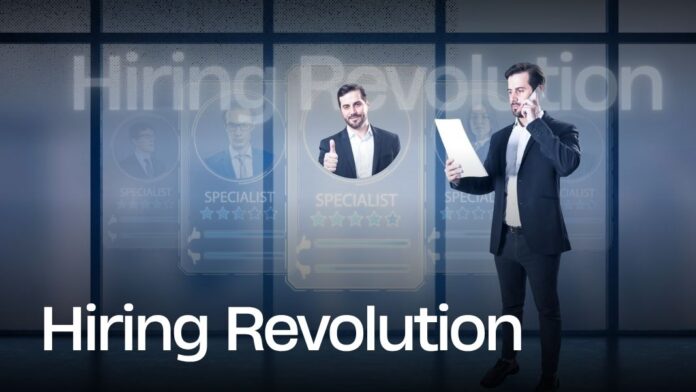

For decades, hiring decisions were largely driven by degrees, credentials, and institutional pedigree. Today, that model is rapidly losing relevance. In its place, a more dynamic, inclusive approach is emerging—one that prioritizes skills over formal qualifications.
At the center of this transformation is AI.
The Shift to Skills Intelligence
AI-powered hiring platforms are enabling organizations to assess candidates based on what they can actually do, rather than where they studied. From coding simulations to real-world problem-solving assessments, technology is making it easier to evaluate practical capabilities at scale.
This shift is particularly impactful in fast-evolving fields like technology, digital marketing, and data analytics, where skills often outpace traditional curricula.
Why Degrees Are Losing Ground
Several factors are driving this change:
- Rapid skill obsolescence: In many industries, skills become outdated faster than degrees can keep up.
- Expanding talent pools: Skills-based hiring opens doors to non-traditional candidates, including self-taught professionals and career switchers.
- Diversity and inclusion: Removing degree requirements can reduce systemic barriers and create more equitable hiring practices.
The Role of AI in Modern Hiring
AI is not just enabling skills-based hiring—it is accelerating it. Advanced algorithms can analyze resumes, portfolios, and assessment results to match candidates with roles more accurately and efficiently.
Additionally, AI-driven insights help HR teams identify skill gaps within their organizations and make data-driven workforce planning decisions.
Challenges to Address
Despite its advantages, skills-based hiring is not without challenges:
- Validation of skills: Ensuring that assessments accurately reflect real-world capabilities remains critical.
- Bias in AI models: If not carefully designed, AI systems can perpetuate existing biases.
- Change management: Shifting away from degree-based hiring requires cultural and organizational buy-in.
Building a Skills-First Organization
To fully embrace this model, HR leaders must:
- Redefine job descriptions to focus on competencies rather than credentials
- Invest in AI-powered assessment and talent intelligence platforms
- Align learning and development programs with evolving skill needs
A More Inclusive Future
The move toward skills-based hiring represents more than a technological shift—it is a philosophical one. It challenges long-standing assumptions about talent and potential, opening up new opportunities for individuals and organizations alike.
As AI continues to evolve, it will not just reshape how we work—it will redefine how we identify and nurture talent.





