









SutiSoft is expanding the capabilities of its SutiCLM platform with automated garnishment management designed to help organizations handle wage withholding orders, payroll deductions, remittances, and compliance documentation. The system digitizes garnishment workflows, validates incoming orders, routes cases to relevant teams, and maintains centralized records. The launch targets an administrative process that often requires coordination between HR, payroll, legal departments, and external agencies.
SutiSoft Targets Payroll Administration Challenges With Garnishment Automation
Wage garnishment is one of the more documentation-intensive responsibilities handled by payroll and human resources teams. Employers receiving garnishment orders must review legal instructions, identify affected employees, calculate permitted deductions, coordinate payroll processing, remit payments to the appropriate agencies, and retain records for future audits.
Managing these steps through email, spreadsheets, and disconnected systems can create administrative bottlenecks. Missing information, duplicate orders, delayed remittances, and inaccurate deductions can also expose organizations to compliance and operational risks.
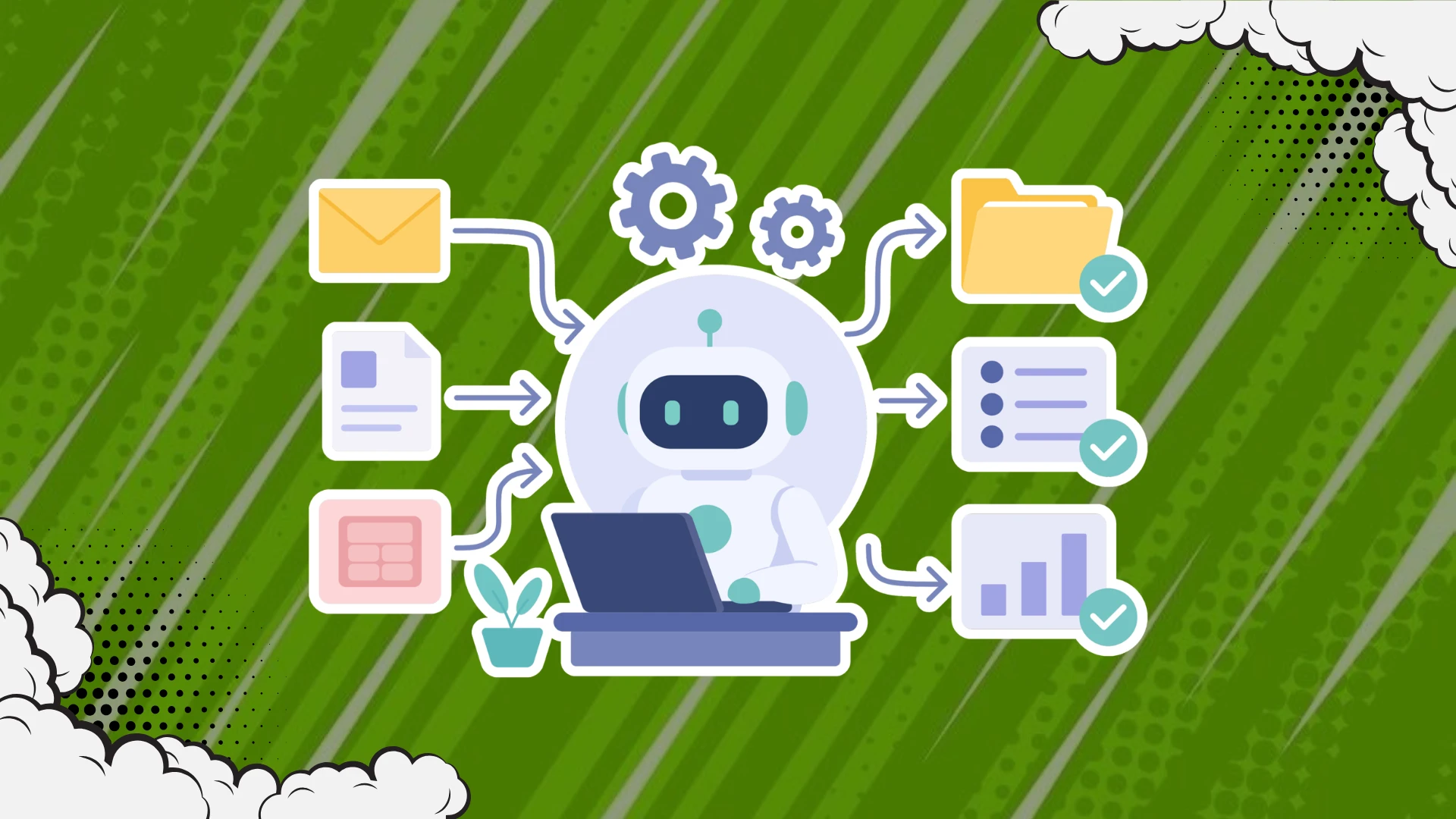
SutiSoft is addressing these challenges through Garnishment Management, a capability within its SutiCLM platform. The solution is designed to automate the process from order creation and validation through payroll execution, remittance, and case closure.
Digitizing Garnishment Orders and Case Validation
The platform begins by converting garnishment orders into digital records. It captures employee information, withholding instructions, deadlines, and agency requirements, providing a centralized view of each case.
This approach is intended to reduce the reliance on manually maintained documents and help teams track the status of individual orders.
SutiCLM also includes validation and risk-checking capabilities. According to SutiSoft, the system identifies missing information, conflicting details, and duplicate orders, alerting relevant stakeholders when issues require attention.
These checks are particularly relevant for organizations processing multiple garnishment cases across different payroll periods. Identifying incomplete or inconsistent documentation before processing can help reduce avoidable corrections and administrative follow-up.
Connecting HR, Legal, and Payroll Workflows
Garnishment processing typically involves multiple departments. HR teams may be responsible for employee records, legal teams may review order requirements, and payroll professionals must implement the appropriate deductions.
SutiCLM uses automated workflow routing to assign cases to the relevant stakeholders. This is intended to reduce delays caused by manual handoffs and make responsibilities clearer throughout the process.
The platform also supports automated withholding calculations using employee payroll data, earnings, and applicable federal and state regulations. Approved deductions can then be transferred to payroll systems, reducing manual data entry.
However, automated calculations do not remove the need for employer oversight. Garnishment rules can vary according to the type of order, jurisdiction, employee earnings, and other applicable requirements. Payroll teams still need to ensure that the underlying data and legal instructions are accurate and that the configured rules reflect current regulations.
SutiSoft has not specified the payroll systems supported by the integration or provided technical details about how regulatory updates are maintained.
Remittance Tracking and Audit Documentation
The workflow extends beyond calculating and applying deductions. Employers must also ensure that withheld amounts are remitted according to the applicable instructions and deadlines.
SutiCLM is designed to streamline remittance scheduling and documentation while retaining payment records, acknowledgments, and communications. Completed cases can be archived alongside approvals and supporting documents, creating an audit trail for compliance reviews.
Centralized case records could help organizations reduce the time spent locating historical documentation and responding to internal or external inquiries.
For businesses with complex payroll operations, the ability to track orders, deductions, payments, and approvals in one workflow may also improve visibility into outstanding cases.
Customer Experience Highlights Demand for Specialized Automation
The launch reflects a customer-led development process. Lori Lamirande, Manager of Operations Support at Access Credit Union, said the organization worked with SutiSoft to develop a platform suited to the complexities of garnishment management after existing solutions did not meet its requirements.
Lamirande highlighted the streamlined handling of requests and reduction in manual work as key benefits.
SutiSoft CEO N. D. Reddy said the capability is intended to replace fragmented processes involving emails, spreadsheets, and manual tracking with a secure and auditable workflow.
The company positions garnishment management as part of its broader effort to simplify specialized business processes through SutiCLM.
Implications for HR and Payroll Technology
The addition highlights an important area of HR technology development: automating administrative processes that sit between HR, legal, finance, and payroll operations.
Many organizations have already invested in payroll platforms and core HR systems, but specialized workflows can remain dependent on manual coordination. Garnishment administration is one example where document management, approval routing, calculations, payments, and audit requirements intersect.
For HR and payroll leaders, the value of automation will depend on more than reducing data entry. Effective implementation also requires reliable payroll integrations, accurate regulatory configurations, access controls, and clear escalation procedures.
SutiCLM’s new capability addresses several stages of this workflow, although SutiSoft has not disclosed customer adoption figures, measurable processing-time improvements, or details of supported payroll integrations.
The broader opportunity is clear: as employers seek more connected HR operations, specialized automation tools could help reduce administrative complexity while improving visibility and documentation across sensitive payroll processes.
Market Landscape
Payroll technology is increasingly extending beyond salary calculations and payslip generation into specialized administrative workflows, including wage garnishment, tax documentation, benefits administration, and compliance management.
Garnishment management is particularly challenging because it combines legal documentation, employee data, jurisdiction-specific withholding requirements, payroll execution, and payment remittance.
SutiCLM enters this space with a workflow-oriented approach, connecting case creation, validation, stakeholder routing, deduction calculations, and audit documentation.
Its competitive positioning will depend on how effectively it integrates with existing payroll and HR systems, maintains regulatory accuracy, protects sensitive employee information, and supports organizations handling different types of garnishment orders.
The launch also reflects a broader HRTech trend: enterprises are looking for automation that addresses specific operational gaps rather than relying exclusively on large, general-purpose HR platforms.
Top Insights
-
SutiCLM digitizes garnishment orders by capturing employee details, withholding instructions, deadlines, and agency requirements in centralized case records.
-
Automated validation identifies missing information, conflicting details, and duplicate orders before they move through the garnishment workflow.
-
The platform routes cases across HR, legal, and payroll stakeholders to reduce manual coordination and processing delays.
-
Automated withholding calculations and payroll transfers aim to reduce repetitive data entry while supporting more consistent deduction processing.
-
Centralized remittance records, approvals, and case archives provide documentation intended to support compliance reviews and audits.
Join thousands of HR leaders who rely on HRTechEdge for the latest in workforce technology, AI-driven HR solutions, and strategic insights




