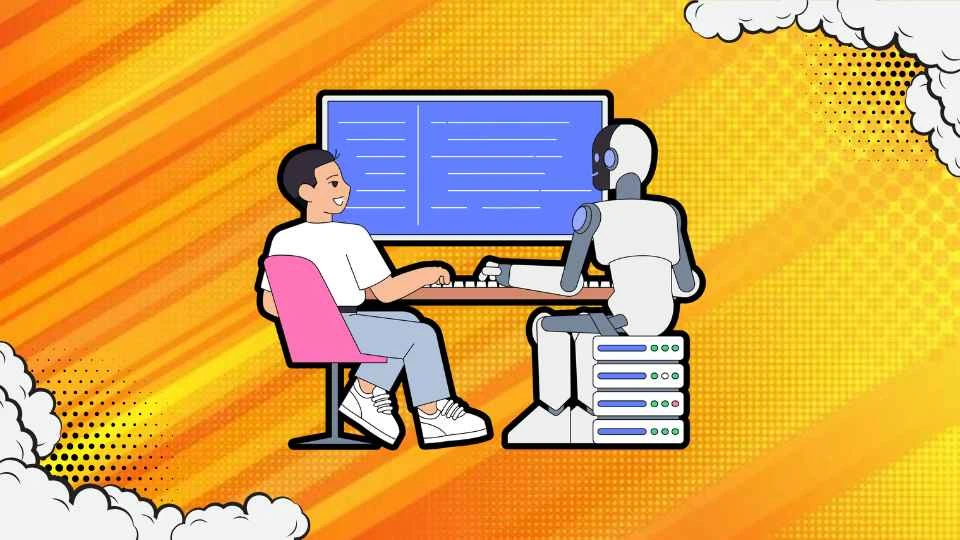
As artificial intelligence takes over more tasks traditionally assigned to junior employees, organizations face a less visible workforce challenge: where tomorrow’s leaders will gain the experience needed to manage people, make decisions and navigate complexity. Talent management provider Talogy says HR leaders are increasingly concerned that automation could remove some of the informal learning opportunities that historically helped employees build leadership capabilities.
The concern is not simply about AI replacing individual jobs. It is about what happens when the early-career work through which employees traditionally develop judgment, communication and problem-solving skills changes substantially.
In a survey of 207 senior HR leaders, talent acquisition managers and learning and development professionals, 78% said they were concerned about the long-term loss of critical leadership skills, according to Talogy. The finding points to a potential gap between workforce automation and leadership development.
Talogy argues that as AI tools absorb repetitive and administrative responsibilities, employers may need to deliberately recreate developmental experiences that once emerged naturally through day-to-day work.
The company has outlined this approach in a new guide, AI and the Leadership Pipeline: The Rising Need for Intentional Development, authored by Ali Shalfrooshan, Talogy’s Director of Science Strategy.
The framework centers on four capabilities, collectively called RISE: Responsiveness, Insight, Sustainability and Effectiveness.
Responsiveness covers the ability to remain open to learning, adapt to technological change and work effectively with emerging AI systems. Insight focuses on critical thinking, interpreting information and generating new ideas. Sustainability addresses resilience and maintaining performance through change, while Effectiveness encompasses communication and collaboration.
The underlying argument is that AI literacy alone will not create the next generation of managers. Employees also need opportunities to develop the human capabilities required to make decisions, influence colleagues and handle increasingly complex responsibilities.
That shifts some of the focus of HR technology from measuring current performance to identifying and developing future leadership potential. Talogy says research involving more than 6,000 employees, managers and talent professionals worldwide informed its framework.
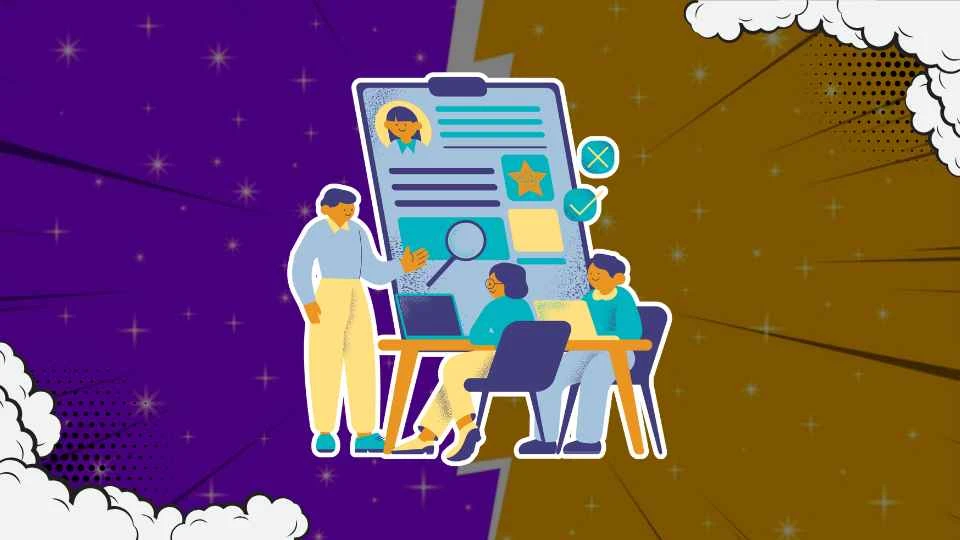
For enterprise HR teams, this could mean greater use of behavioral assessments, psychometric tools, skills intelligence and structured development programs earlier in an employee’s career. Instead of waiting until someone reaches a management role to assess leadership capability, organizations can identify potential and create development pathways much earlier.
The approach also reflects a broader change in enterprise talent management. Platforms from companies such as Microsoft, Workday and SAP are increasingly operating in workplaces where AI is embedded into recruiting, workforce management and employee workflows. The resulting challenge is not only how employees use these systems, but how organizations preserve the experiential learning that happens around the work.
For HR leaders, the practical question is therefore becoming more specific: which early-career experiences should remain human-led because they build capabilities that matter later?
Talogy’s proposal is intentional development backed by behavioral science and emotional intelligence rather than training programs focused exclusively on technical skills.
The company’s position is that leadership development needs to start before employees receive formal leadership titles. As AI changes the structure of entry-level work, that early intervention could become an increasingly important component of workforce planning.
Market Landscape
AI adoption is changing the traditional progression from entry-level work to management. Tasks once used to build professional judgment may increasingly be automated, creating pressure on employers to redesign learning and leadership pathways.
For HR technology vendors, this creates an expanding market around skills intelligence, talent assessment, workforce analytics, learning platforms and AI-enabled career development. The competitive landscape includes established HCM ecosystems such as Workday, SAP and Microsoft alongside specialist talent assessment and development providers.
The strategic distinction is increasingly between technologies that automate HR processes and those that help organizations understand how employee capabilities develop over time. As AI changes job design, enterprises may need both.
Top Insights
- Talogy’s survey found 78% of 207 HR and talent professionals are concerned AI could contribute to long-term leadership skills gaps.
- The company’s RISE framework emphasizes responsiveness, insight, sustainability and effectiveness as human capabilities for AI-enabled workplaces.
- AI automation could reduce early-career learning opportunities, prompting employers to deliberately design experiences that develop future leadership capabilities.
- Behavioral assessments and psychometric tools could help HR teams identify leadership potential earlier and create more targeted development pathways.
- The shift puts leadership development alongside AI adoption as a strategic workforce-planning issue for enterprise HR teams.
Join thousands of HR leaders who rely on HRTechEdge for the latest in workforce technology, AI-driven HR solutions, and strategic insights