










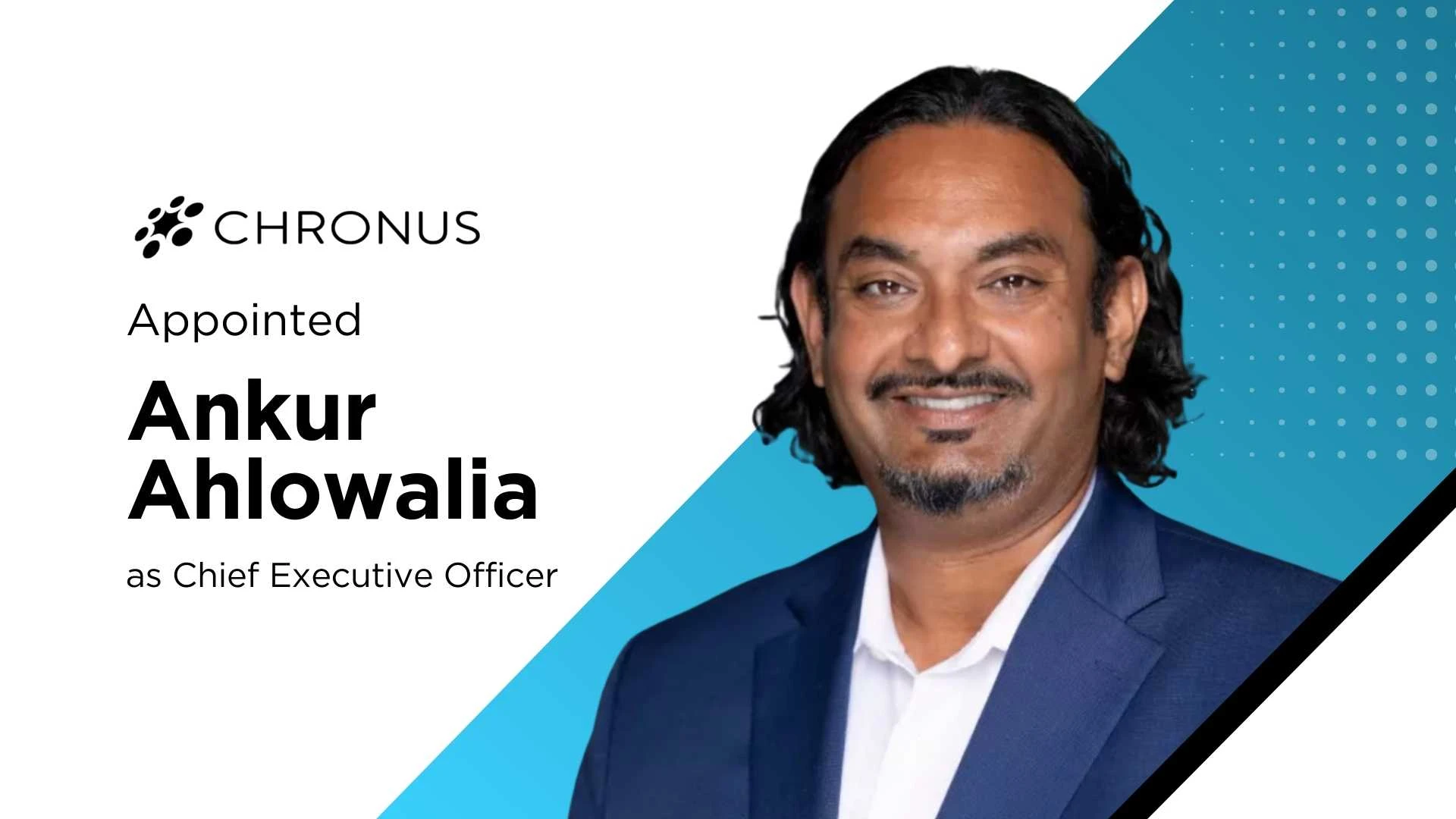
Chronus, long known as a quiet heavyweight in enterprise mentoring software, is signaling a more ambitious future. The company has appointed Ankur Ahlowalia as its new Chief Executive Officer, marking a leadership change that aligns squarely with its next act: transforming mentoring and employee connection into a more intelligent, measurable, and AI-driven discipline.
The appointment comes as organizations rethink how learning, knowledge sharing, and internal mobility actually happen—less through formal training and more through intentional human connection, supported by technology. Chronus wants to be the platform that orchestrates those connections, and Ahlowalia’s background suggests it’s serious about scaling that vision.
A CEO Built for Enterprise Scale—and People Systems
Ahlowalia brings a track record that fits Chronus’ moment. Most recently, he served as CEO of Korbyt, where he led the enterprise communications platform through notable growth, product expansion, and deeper penetration into large global organizations. His career has consistently focused on building platforms that sit at the intersection of technology, data, and human interaction—a combination increasingly central to modern HR and talent strategies.
That blend matters. Mentoring software has historically lived on the margins of HR tech—valuable, but often treated as a “nice to have.” Chronus has spent years proving otherwise, embedding mentoring into leadership development, DEI initiatives, workforce readiness, and succession planning. What it hasn’t done until recently is lean aggressively into AI as a force multiplier.
Ahlowalia’s appointment suggests that’s about to change.
Why Chronus—and Why Now
Unlike many CEOs parachuted in to “fix” a company, Ahlowalia appears drawn to Chronus for personal reasons as well as strategic ones. He has cited his own experience in the Motorola leadership program, where mentoring played a formative role in his career progression. That lived experience gives him credibility in a market where authenticity matters—especially when selling technology designed to foster trust, growth, and learning.
Board leadership agrees.
“Ankur is the ideal leader to guide Chronus through its next phase of growth,” said Charles Chen, Partner at Level Equity and Chronus board member. “He brings a proven track record of scaling enterprise software companies and a genuine passion for mentoring—one rooted in his own career experience.”
That combination—operator plus believer—isn’t accidental. Chronus is at an inflection point where execution and conviction both matter.
From Mentoring Platform to AI-Powered Connection Engine
Chronus’ core value proposition has always been about connecting the right people at the right time for the right purpose. Historically, that meant structured mentoring programs: one-to-one, group mentoring, reverse mentoring, and employee communities, all designed to scale across large enterprises.
Under Ahlowalia’s leadership, Chronus plans to evolve into something broader: an AI-powered platform that understands, guides, and measures workplace relationships.
That’s a notable shift.
Rather than treating mentoring as a standalone program, Chronus is positioning it as infrastructure—part of how organizations move knowledge, develop leaders, onboard talent, and retain institutional memory. AI becomes the layer that makes this scalable and personalized: recommending connections, surfacing insights, identifying gaps, and helping organizations understand which relationships actually drive performance.
“I’m delighted to lead a company that has pioneered mentoring software and is now leveraging artificial intelligence to make mentorship more accessible, personalized, and impactful,” Ahlowalia said.
The subtext is clear: Chronus doesn’t want to just manage mentoring programs—it wants to optimize human networks inside enterprises.
Context: Mentoring Meets the Modern HR Tech Stack
Chronus’ timing is deliberate. Across HR tech, there’s growing recognition that skills, careers, and learning don’t move in straight lines. They move through conversations, exposure, sponsorship, and informal coaching—areas where traditional HR systems struggle.
Meanwhile, AI adoption in HR has largely focused on efficiency: faster recruiting, automated workflows, smarter analytics. Chronus is betting on a different application of AI—one focused on relationship intelligence, not just process automation.
That places it in an emerging category alongside platforms exploring internal talent marketplaces, organizational network analysis, and knowledge flow. But Chronus has an advantage many newer entrants lack: decades of enterprise mentoring data and credibility.
If it can successfully layer AI on top of that foundation, it could move from being a specialized mentoring vendor to a strategic platform for leadership development, DEI, and workforce transformation.
A Thoughtful Leadership Transition
The company also acknowledged the contributions of David Satterwhite, who led Chronus through its previous chapter. During his tenure, Chronus strengthened its enterprise foundation, expanded its global customer base, and positioned itself for innovation—setting the stage for the transition now underway.
Leadership changes in HR tech often come with disruption. This one reads more like a relay handoff: steady execution giving way to accelerated ambition.
What This Means for HR Leaders and Enterprises
For CHROs and talent leaders, Chronus’ move is a reminder that mentoring is evolving—from structured programs managed by HR to dynamic systems embedded in daily work.
If Chronus succeeds in its AI-powered vision, organizations may gain clearer answers to questions they’ve long struggled with:
-
Who is influencing whom—and how?
-
Where are development bottlenecks forming?
-
Which connections actually correlate with retention, performance, and mobility?
Those insights could make mentoring less anecdotal and more strategic—something CFOs and CEOs are far more willing to invest in.
Looking Ahead
Ankur Ahlowalia steps into the CEO role at a moment when enterprise software is under pressure to prove ROI, not just relevance. Chronus’ challenge will be to balance the human nuance of mentoring with the analytical rigor enterprises now expect from AI-driven platforms.
If Ahlowalia can deliver on that promise—scaling connection without losing authenticity—Chronus could redefine how organizations think about mentoring, learning, and performance in the years ahead.
Join thousands of HR leaders who rely on HRTechEdge for the latest in workforce technology, AI-driven HR solutions, and strategic insights




