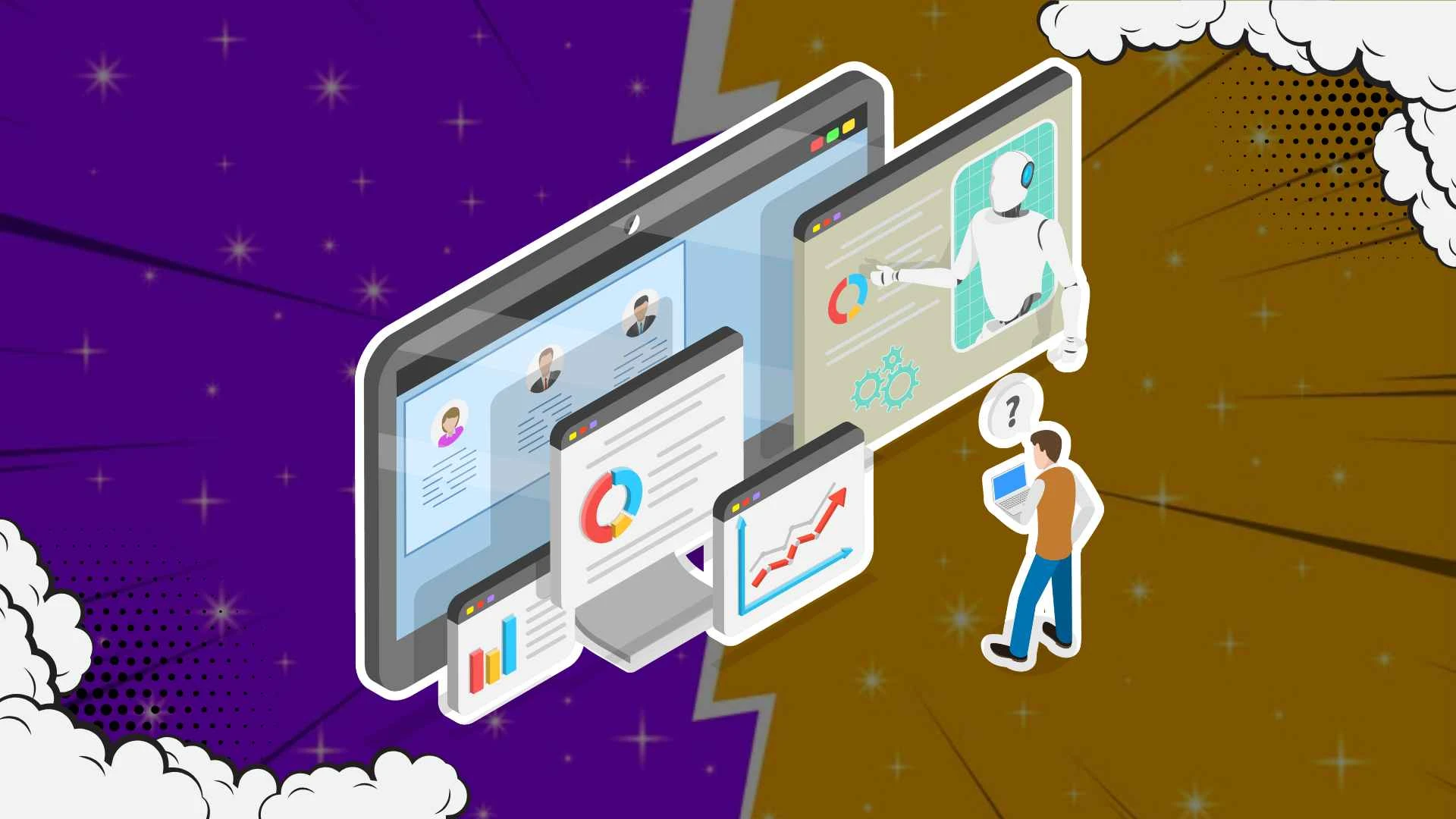
Individual Coverage Health Reimbursement Arrangements are giving employers another way to manage health benefits costs, but the model becomes more complicated when employees reach Medicare eligibility. SmartConnect and Benepicks are betting that a more integrated approach can close that gap, announcing a nationwide partnership that brings Medicare guidance directly into Benepicks’ ICHRA platform.
For employers considering an Individual Coverage Health Reimbursement Arrangement (ICHRA), the appeal is straightforward: instead of selecting a single group health plan, companies can provide employees with a defined contribution toward individual coverage. The employee gets more choice, while employers gain greater control over benefits spending.
The experience is less straightforward when an employee turns 65.
That transition can require employees to understand Medicare eligibility, compare plan options, evaluate provider and prescription coverage, and navigate enrollment deadlines. For HR teams and benefits brokers, Medicare can become a separate workflow layered on top of an already complex ICHRA administration process.
SmartConnect and Benepicks are attempting to address that problem through a new nationwide partnership. The companies said SmartConnect’s Medicare-focused technology and advisory capabilities will be embedded into Benepicks’ ICHRA platform, giving Medicare-eligible employees access to personalized guidance as they transition from individual coverage.
The partnership comes as employers continue to explore alternatives to traditional group health insurance. According to the KFF 2025 Employer Health Benefits Survey, 4% of firms offering health benefits provided employees with funds to purchase coverage in the individual market, while 9% of firms that did not offer health benefits provided such funds. Among firms with at least 10 employees that currently offer health benefits but do not use an ICHRA, 8% said they were either very or somewhat likely to introduce one within two years.
The numbers remain relatively small, but the direction matters for HR technology vendors. ICHRA administration is evolving from a reimbursement mechanism into a broader benefits-management ecosystem involving plan selection, employee education, compliance and ongoing support.
Benepicks’ platform is designed around that employee experience. Under the partnership, employees approaching or already eligible for Medicare can be connected with SmartConnect agents licensed across all 50 states. The companies say those consultations can consider an individual’s physicians, prescriptions and financial circumstances before recommending available Medicare options.
SmartConnect then handles enrollment-related logistics and ongoing policy support, according to the companies.
The key technology proposition is therefore not simply Medicare enrollment. It is benefits orchestration: connecting an employee’s ICHRA allowance with the insurance decision that follows when Medicare eligibility changes the available coverage landscape.
That distinction could become increasingly important as employers try to make defined-contribution benefits easier for workers to understand.
ICHRA already puts more responsibility on employees than a traditional employer-sponsored plan. KFF describes the model as one in which employers reimburse employees for individual-market coverage while employees select and enroll in their own policies.
Medicare introduces another layer of decision-making.
An employee may need to assess Original Medicare versus Medicare Advantage, prescription coverage, supplemental coverage, provider networks and out-of-pocket exposure. For someone approaching retirement age while still employed, the timing and coordination of employer coverage can add further complexity.
CMS guidance also makes clear that ICHRAs can interact with Medicare coverage. Current federal rules require ICHRA participants to maintain qualifying coverage, and Medicare Parts A and B or Medicare Part C can satisfy relevant coverage requirements under the rules.
That regulatory intersection makes automation and human support particularly valuable—but it also means HR departments cannot treat Medicare guidance as a generic employee-benefits chatbot problem.
The competitive landscape is broader than Benepicks and SmartConnect. Companies such as Take Command, Gravie, PeopleKeep, Zorro and other benefits technology providers have built platforms around ICHRA administration, employee enrollment and individual-market benefits. Meanwhile, established benefits brokers and insurers continue to play a major role in helping employers evaluate and implement defined-contribution health strategies.
The differentiator for SmartConnect and Benepicks is the attempt to connect Medicare expertise directly to the ICHRA workflow rather than sending an employee to a separate benefits resource.
That could also change the role of HR.
Instead of asking HR teams to become experts in Medicare transitions, the technology model shifts specialized guidance toward an external benefits partner while keeping the employee’s experience inside the employer’s broader benefits infrastructure. Brokers and third-party administrators could similarly gain a dedicated Medicare resource without having to build the capability internally.
For enterprise buyers, however, integration should be evaluated carefully.
Employers considering an ICHRA platform need to examine more than allowance administration. They should assess employee decision support, Medicare expertise, licensing coverage, enrollment workflows, data security, compliance responsibilities, integrations with existing benefits systems and the quality of ongoing support.
Cost savings also need to be evaluated at the individual level rather than assumed across the workforce. The right Medicare option depends heavily on an employee’s location, health coverage requirements, providers, prescriptions and financial circumstances.
The latest partnership illustrates a broader trend in HRTech: benefits platforms are increasingly becoming decision-support systems, not just administrative software.
That shift is likely to continue as employers look for ways to contain healthcare costs without making employees navigate increasingly complicated insurance markets alone.
For Benepicks, the Medicare integration extends its ICHRA proposition beyond individual-market coverage. For SmartConnect, the partnership creates a distribution channel for its Medicare expertise through an employer benefits platform.
For HR leaders, the more important development is the model itself: connecting benefits funding, insurance selection and human guidance within a single employee journey.
Market Landscape
ICHRA adoption remains an emerging rather than mainstream employer-benefits model, but rising healthcare costs are keeping alternative funding structures on the agenda.
KFF reported that average employer-sponsored health insurance premiums increased 5% for single coverage and 6% for family coverage in 2025, with family premiums up 26% over the previous five years.
That pressure helps explain the interest in defined-contribution approaches.
The ICHRA ecosystem includes specialized administrators such as Take Command and PeopleKeep, benefits platforms such as Benepicks, brokers and insurance marketplaces. The market is also becoming more operationally sophisticated, with employee plan-selection support and individual-market navigation becoming important components.
Recent industry activity illustrates that momentum. In Connecticut, more than 650 employers had expressed serious interest in adopting ICHRA plans by early 2026, according to reporting from BenefitsPRO, although only 33 employers were actively working with Access Health CT on ICHRA plans at that point.
The Medicare segment creates a particularly important technology challenge because the employee journey changes as coverage eligibility changes. Platforms that can accommodate that transition without creating another administrative silo could have an advantage with employers that have aging workforces.
The larger market question is whether ICHRA platforms will remain primarily reimbursement and administration tools or evolve into full benefits-navigation platforms.
Top Insights
- SmartConnect and Benepicks are connecting Medicare guidance with ICHRA administration, targeting a difficult transition point for employees, HR teams and benefits brokers.
- The partnership gives Medicare-eligible workers access to licensed advisors while allowing their Benepicks ICHRA allowance to support selected coverage.
- Rising employer healthcare costs are sustaining interest in ICHRA models, although adoption remains relatively limited across the broader benefits market.
- The competitive advantage may increasingly come from employee decision support, Medicare expertise, integrations and compliance rather than ICHRA administration alone.
- HR technology is moving toward benefits orchestration, combining funding, insurance selection, enrollment assistance and ongoing employee support within integrated workflows.
Join thousands of HR leaders who rely on HRTechEdge for the latest in workforce technology, AI-driven HR solutions, and strategic insights