eSkill has launched Linea Sample, a simulation-based assessment designed to help contact centers and business process outsourcing (BPO) providers evaluate customer-facing candidates through realistic workplace scenarios. The platform places applicants in virtual customer interactions, using an AI-powered customer persona to assess accuracy, problem-solving, empathy and communication. The launch reflects a broader shift in recruitment technology toward skills-based hiring, giving employers a way to evaluate how candidates respond to job-related situations rather than relying exclusively on resumes, interviews or traditional knowledge tests.
eSkill Uses AI Simulations to Assess Customer Service Candidates
Hiring customer service representatives requires employers to evaluate more than experience and product knowledge. Candidates must interpret customer concerns, apply company policies, communicate clearly and make decisions under pressure. Traditional interviews and written assessments may not fully reveal how applicants would handle these situations on the job.
Skills assessment provider eSkill is addressing that challenge with Linea Sample, a work simulation designed for contact centers and business process outsourcing providers. The platform places candidates in virtual, job-related scenarios before hiring decisions are made, allowing employers to evaluate performance in situations resembling actual customer interactions.
The new offering expands eSkill’s existing portfolio of simulation-based assessments, which includes tests for Excel, multitasking and digital literacy. Its initial focus is on customer-facing roles in contact centers and BPO operations serving industries such as healthcare, financial services, retail and utilities.
AI Customer Personas Create Realistic Hiring Scenarios
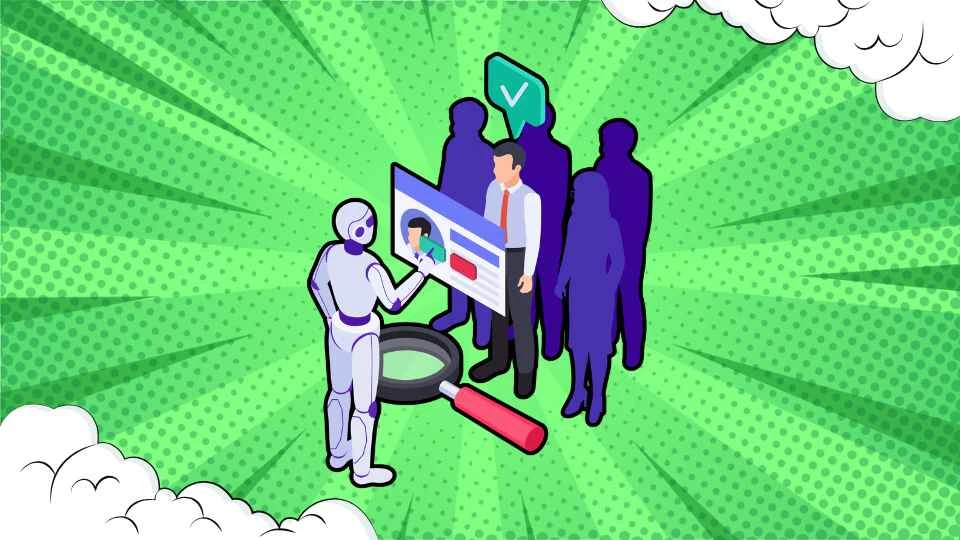
In Linea Sample, candidates act as customer-facing agents while an AI persona plays the customer. Applicants receive a goal and a set of company rules to follow, such as applying a refund policy or escalating a disputed charge.
The simulation assesses candidates across four dimensions: accuracy, problem-solving, empathy and communication. Rather than requiring applicants to follow one prescribed script, the platform allows different approaches to the same situation to receive strong scores when they meet the relevant criteria.
This distinction matters in customer service hiring. A rigid assessment can reward candidates who memorize expected responses without demonstrating the judgment needed to resolve real customer problems. Scenario-based testing can instead provide employers with evidence of how applicants interpret a situation, follow procedures and communicate a resolution.
However, the quality of these assessments depends on how scenarios are designed, how scoring criteria are calibrated and whether the simulated interactions reflect the actual demands of the role. Employers also need to consider accessibility, accommodations and the potential for assessment systems to disadvantage candidates with different communication styles or backgrounds.
Language Proficiency Adds Another Assessment Layer
For voice-based interactions, Linea Sample also provides candidates with scores aligned to the Test of English for International Communication (TOEIC) and the Common European Framework of Reference for Languages (CEFR), based on pronunciation and fluency.
For contact centers serving multilingual or international customers, spoken-language proficiency can be an important hiring consideration. Combining language evaluation with a simulated customer interaction may help employers examine communication in context rather than treating language ability as a separate credential.
Still, organizations should understand how these scores are generated and validated before using them as decisive hiring criteria. Pronunciation and fluency scores alone do not necessarily capture listening comprehension, cultural awareness, customer empathy or the ability to communicate effectively across different accents and speech patterns.
Employers should also ensure that language requirements are genuinely relevant to each position and that assessment practices comply with applicable employment and accessibility rules.
Skills-Based Hiring Moves Beyond Interviews
Linea Sample reflects a broader recruitment technology trend toward evaluating candidates through demonstrated skills and work-related tasks. For high-volume employers, structured simulations may offer a more consistent way to compare applicants than relying entirely on unstructured interviews or screening questions.
Contact centers and BPOs can face recurring hiring needs, while new employees must often learn complex policies, handle customer complaints and meet service expectations. Assessments that reproduce common scenarios could help hiring teams identify development needs earlier and determine whether applicants are prepared for particular responsibilities.
The technology could also provide a more standardized assessment experience across large applicant pools. But the announcement does not disclose the platform’s pricing, implementation requirements, validation studies, bias-testing results or evidence of improved hiring outcomes. Those details will matter to organizations evaluating the solution at scale.
Implications for HR and Recruitment Teams
eSkill’s launch highlights how AI is being used not only to automate recruitment administration but also to simulate work and evaluate candidate responses. For talent acquisition teams, the potential value lies in gathering more job-relevant evidence before making hiring decisions.
The most effective deployment would position simulations as one component of a broader selection process, alongside structured interviews, relevant experience and appropriate verification. Employers should monitor whether assessment results correlate with subsequent job performance and whether candidates from different backgrounds receive fair opportunities to demonstrate their abilities.
For contact centers and BPO providers, Linea Sample offers a way to bring simulated customer interactions into frontline hiring. Its impact will ultimately depend on assessment accuracy, fairness, candidate experience and whether results help employers make better-informed hiring decisions.
Market Landscape
Recruitment technology is increasingly moving toward skills-based assessments, job simulations and AI-supported candidate evaluation. These approaches can help employers assess capabilities that resumes and conventional interviews may not reveal, particularly for roles involving customer interaction, policy compliance and real-time problem-solving.
For contact centers and BPOs, standardized simulations may help manage high-volume recruitment while giving hiring teams more structured evidence of candidate readiness. However, buyers must assess scoring validity, accessibility, bias controls, data privacy and the relationship between assessment results and actual job performance. AI can make simulations easier to administer, but it does not automatically make an assessment fair or predictive.
Top Insights
- AI-powered work simulations: Linea Sample places customer service candidates in virtual workplace scenarios.
- Four assessment dimensions: The platform evaluates accuracy, problem-solving, empathy and communication.
- Language assessment: Voice interactions include TOEIC- and CEFR-aligned scores based on pronunciation and fluency.
- Targeted industries: The initial launch focuses on contact centers and BPOs serving healthcare, financial services, retail, utilities and other customer-facing sectors.
- Validation remains important: Employers should assess scoring accuracy, fairness and links to actual job performance before relying on results.
Join thousands of HR leaders who rely on HRTechEdge for the latest in workforce technology, AI-driven HR solutions, and strategic insights